New Cruise Deals Added Daily! View All Cruise Deals Here

Search For Your Next Cruise or River Cruise
You Get With TopCruiseDeals.Com:

Exclusive Booking Bonus

10,000+ Low Price Cruises

Expert Cruise Advisors
 5.0 – Excellent!
Read Real Reviews
Ocean Destination
Low Prices On All Antarctica Cruises
Antarctica cruises offer expedition style journeys to one of the most remote and pristine regions on Earth. Voyages typically depart from South America and focus on wildlife encounters dramatic polar landscapes and scientific exploration. Ships are purpose built for polar conditions and emphasize education and responsible travel.
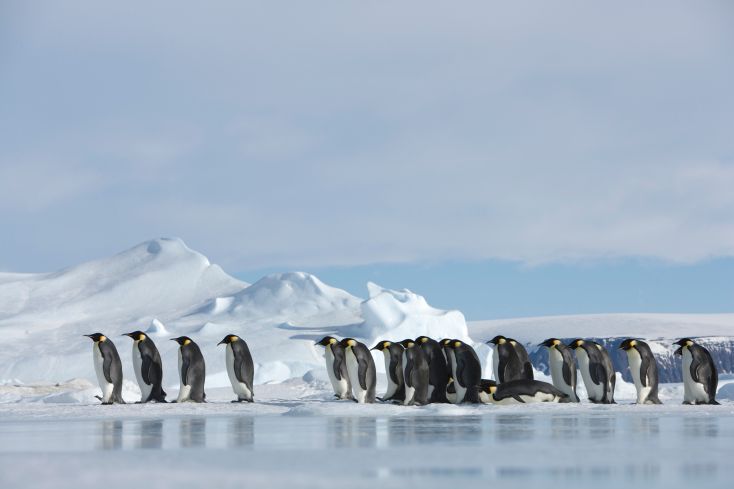
Top deals in Antarctica


Free Airfare, Save Up To $5,000 Per Couple, $25 Deposit, Plus $1,000 Shipboard Credit Or Free Beverage Package
Your Choice Sale
 Destinations: Alaska, Antarctica, Asia, Australia & New Zealand, Europe, Ocean Destination, South America
 Travel Dates: 1/1/2027 – 12/31/2029
 Ends on 10/31/2026

- Destinations: Antarctica, Ocean Destination
- Travel Dates: 10/1/2026 – 12/31/2026
- Ends on 10/31/2026

- Destinations: Alaska, Antarctica, Asia, Australia & New Zealand, Bahamas, Caribbean, Europe, Hawaii, Mexican Riviera, Ocean Destination, South America, South Pacific
- Travel Dates: 10/1/2026 – 12/31/2026
- Ends on 10/31/2026
Highlights
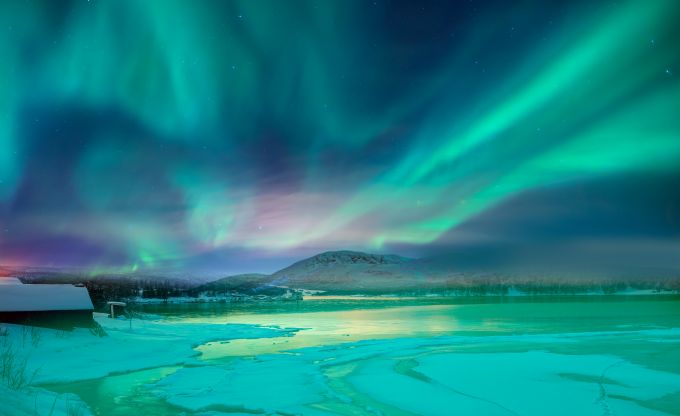
Things To Do
Activities include guided zodiac landings wildlife observation and photography in polar environments. All excursions are led by expert expedition teams following strict environmental guidelines.
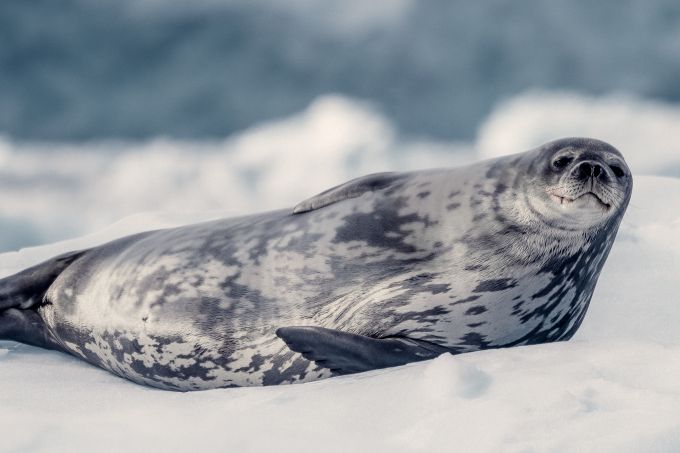
Sightseeing
Sightseeing features massive icebergs glaciers penguin colonies and untouched polar scenery. Conditions determine landing opportunities and daily exploration routes.
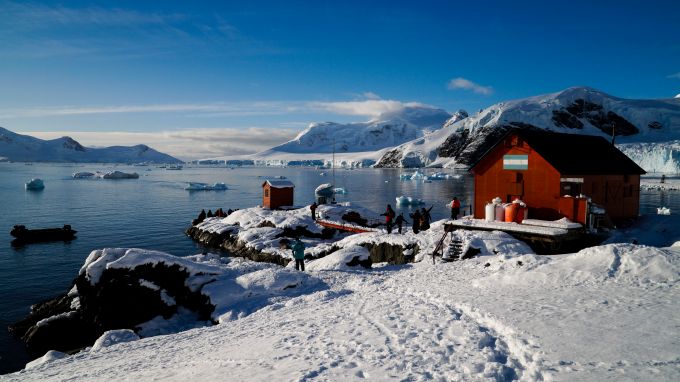
Dining
Dining is comfortable and efficient designed to support expedition schedules. Meals are served onboard with a focus on warmth nutrition and convenience during extended sea days.
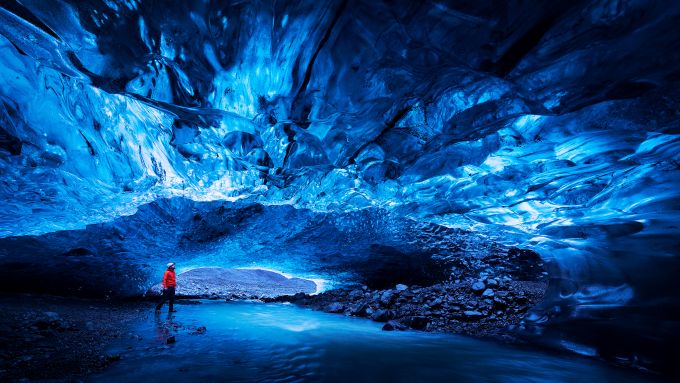
Activities
Onboard activities include expert lectures scientific briefings and daily expedition planning sessions. Shore landings occur when weather and ice conditions allow.
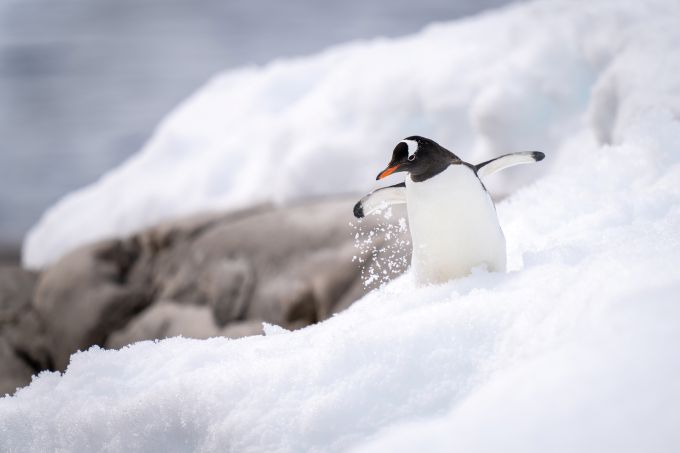
Shopping
Shopping is limited due to conservation regulations and the remote environment. Most purchases are made onboard and may include expedition gear books or educational souvenirs.
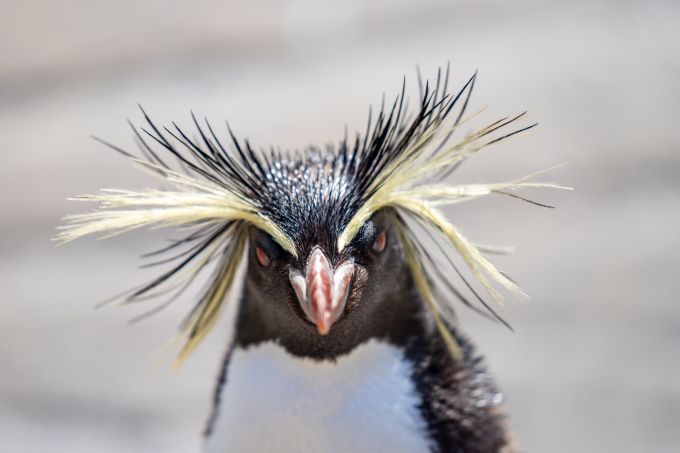
Travel Tips
Travelers should expect flexible itineraries due to weather and ice conditions. Strict environmental protocols are enforced to protect fragile ecosystems.
All deals in Antarctica
Free Airfare, Save Up To $5,000 Per Couple, $25 Deposit, Plus $1,000 Shipboard Credit Or Free Beverage Package
Your Choice Sale
- Destinations: Alaska, Antarctica, Asia, Australia & New Zealand, Europe, Ocean Destination, South America
- Travel Dates: 1/1/2027 – 12/31/2029
- Ends on 10/31/2026
- Destinations: Antarctica, Ocean Destination
- Travel Dates: 10/1/2026 – 12/31/2026
- Ends on 10/31/2026
- Destinations: Alaska, Antarctica, Asia, Australia & New Zealand, Bahamas, Caribbean, Europe, Hawaii, Mexican Riviera, Ocean Destination, South America, South Pacific
- Travel Dates: 10/1/2026 – 12/31/2026
- Ends on 10/31/2026

- Destinations: Alaska, Antarctica, Europe, Galapagos, Ocean Destination, South America
- Travel Dates: 10/2/2026 – 12/31/2026
- Ends on 10/31/2026


- Destinations: Africa, Alaska, Antarctica, Asia, Australia & New Zealand, Canada & New England, Caribbean, Central America, Mediterranean, Mexican Riviera, Middle East, Ocean Destination, Panama Canal, South America, World Cruise
- Travel Dates: 10/2/2026 – 12/31/2026
- Ends on 10/31/2026

- Destinations: Africa, Alaska, Antarctica, Australia & New Zealand, Baltic, Canada & New England, Caribbean, Central America, Mediterranean, Mexican Riviera, Middle East, Ocean Destination, Panama Canal, South America, World Cruise
- Travel Dates: 10/2/2026 – 12/31/2026
- Ends on 10/31/2026


- Destinations: Antarctica, Asia, Canada & New England, Caribbean, Central America, Europe, Middle East, Ocean Destination, South Pacific, World Cruise
- Travel Dates: 10/2/2026 – 12/31/2026
- Ends on 10/31/2026

- Destinations: Africa, Alaska, Antarctica, Asia, Australia & New Zealand, Bahamas, Baltic, Bermuda, Britain & Ireland, Canada & New England, Caribbean, Central America, Europe, Ocean Destination
- Travel Dates: 10/2/2026 – 12/31/2026
- Ends on 11/2/2026
- Destinations: Antarctica, Asia, Canada & New England, Caribbean, Central America, Europe, Middle East, Ocean Destination, South Pacific, World Cruise
- Travel Dates: 10/2/2026 – 12/31/2026
- Ends on 11/4/2026

Up To 75% Off Second Guest, Free 3rd 4th 5th Guests, Plus Up To $800 Savings Or Onboard Credit
Fall Sale
- Destinations: Alaska, Antarctica, Asia, Australia & New Zealand, Bahamas, Caribbean, Europe, Hawaii, Mexican Riviera, Ocean Destination, South America, South Pacific
- Travel Dates: 10/1/2026 – 5/10/2029
- Ends on 11/5/2026


Save Up To 45% Off, Up To $450 Instant Savings, $99 Deposits, Plus Free 3rd & 4th Guests
Fall Savings Sale
- Destinations: Alaska, Antarctica, Asia, Australia & New Zealand, Caribbean, Europe, Mediterranean, Mexican Riviera, Ocean Destination, Panama Canal, South America, World Cruise
- Travel Dates: 10/13/2026 – 12/31/2026
- Ends on 11/5/2026

- Destinations: Alaska, Antarctica, Europe, Galapagos, Ocean Destination, South America
- Travel Dates: 10/1/2026 – 3/31/2028
- Ends on 11/9/2026

- Destinations: Antarctica, Asia, Canada & New England, Caribbean, Central America, Europe, Middle East, Ocean Destination, South Pacific, World Cruise
- Travel Dates: 10/2/2026 – 12/31/2026
- Ends on 11/16/2026

Save Up To 10% Off New 2028/29 Voyages
Discover New Destinations – Book the New 2028/29 Season
- Destinations: Alaska, Antarctica, Europe, Galapagos, Ocean Destination, South America
- Travel Dates: 4/1/2028 – 3/31/2029
- Ends on 12/2/2026

- Destinations: Africa, Alaska, Antarctica, Asia, Australia & New Zealand, Baltic, Canada & New England, Caribbean, Central America, Mediterranean, Mexican Riviera, Middle East, Ocean Destination, Panama Canal, South America, World Cruise
- Travel Dates: 10/2/2026 – 12/31/2026
- Ends on 12/31/2026


Save Up To 40% Plus $2,000 Air Credit Or Special Onboard Perk
Exclusive Savings & Explorer's Choice
- Destinations: Africa, Antarctica, Asia, Caribbean, Europe, Mediterranean, Ocean Destination
- Travel Dates: 1/1/2027 – 12/31/2029
- Ends on 1/5/2027

Save Up To 40% Plus Up To $3,000 Air Credit Or Complimentary Onboard Perks
Explorer's Choice
- Destinations: Antarctica, Caribbean, Europe, Mediterranean, Ocean Destination, South America, USA
- Travel Dates: 10/1/2026 – 12/31/2026
- Ends on 1/5/2027
- Destinations: Alaska, Antarctica, Europe, Galapagos, Ocean Destination, South America
- Travel Dates: 3/11/2026 – 12/31/2027
- Ends on 12/31/2027

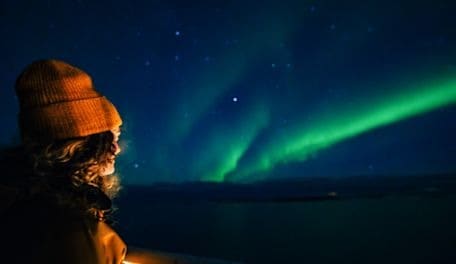
Northern Lights Promise on Norway Coastal Voyages
See the Northern Lights or Sail Again Free
- Destinations: Antarctica, Ocean Destination, South America
- Travel Dates: 9/20/2026 – 3/31/2028
- Ends on 3/31/2028

- Destinations: Africa, Alaska, Antarctica, Asia, Australia & New Zealand, Bahamas, Baltic, Bermuda, Canada & New England, Caribbean, Central America, Europe, Fiji, Galapagos, Greek Isles, Hawaii, Mediterranean, Mexican Riviera, Middle East, Ocean Destination, Panama Canal, South America, Tahiti, USA, World Cruise
- Travel Dates: 3/7/2026 – 12/31/2026
- Ends on 12/31/2026
Antarctica Cruise Quick Facts & Overview
-
Sailing Season: November through March (Austral Summer)
-
Average Duration: 10 to 22 Nights
-
Primary Departure Ports: Ushuaia (Argentina), Buenos Aires (Argentina), Punta Arenas (Chile), and Santiago/Valparaiso (Chile)
-
Top Cruise Lines: Viking Expeditions, Silversea Expeditions, Seabourn, Hurtigruten (HX), Quark Expeditions, Celebrity Cruises, Holland America Line
-
Key Highlights: Drake Passage crossing, Antarctic Peninsula, South Georgia Island, Falkland Islands, Deception Island, Lemaire Channel, Zodiac landings, massive penguin colonies, humpback whale watching
-
Top Cruise Deals Advantage: Exclusive Onboard Credit, Group Rates, Free Excursion Planning
When is the Best Time to Cruise to Antarctica?
-
Early Season (November & Early December): Antarctica awakens from winter. Experience towering, pristine icebergs, pristine snowscapes, and dramatic sea ice breaking apart. This is peak mating season for penguins, where you can watch nest-building and courtship rituals. Temperatures are cooler, but wildlife activity is high and pricing offers early-season value.
-
Peak Season (Late December through January): The warmest months of the austral summer, with up to 20+ hours of daylight. Temperatures typically range from 32°F to 40°F. Penguin chicks begin hatching during this period, bringing increased activity to the colonies. Demand is highest during the holiday season, so booking 10 to 14 months in advance is recommended.
-
Late Season (February & March): The best period for whale watching, as humpback, minke, and orca populations are abundant in Antarctic waters. Sea ice recedes to its lowest point, allowing ships to travel farther south and potentially cross the Antarctic Circle (66°33′S). Penguin chicks begin fledging, and shoulder-season deals may become available for travelers looking for more affordable Antarctica cruises.
Must-Visit Ports of Call in Antarctica
-
Antarctic Peninsula & Lemaire Channel: The gateway to the Seventh Continent. Sail through the “Kodak Gap”—a narrow channel flanked by sheer ice-covered cliffs—and step ashore via Zodiac craft to explore continent landing sites such as Paradise Harbor and Neko Harbour.
-
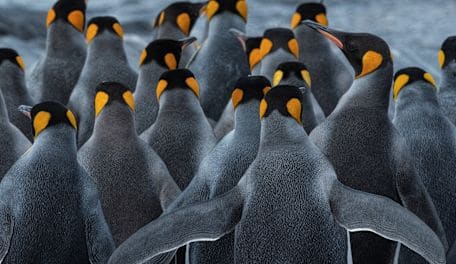
South Georgia Island: Often called the “Galapagos of the Southern Ocean.” Famous for its jaw-dropping wildlife density, including colonies of over 200,000 King Penguins at Salisbury Plain and Gold Harbour, giant elephant seals, and the historic burial site of explorer Sir Ernest Shackleton at Grytviken.
-
Deception Island (South Shetland Islands): An active volcanic caldera where ships sail directly into the flooded center through “Neptune’s Bellows.” Visitors can walk along black volcanic ash beaches, view abandoned whaling station ruins, and participate in the famous “Polar Plunge.”
-
Falkland Islands (Islas Malvinas): A windswept archipelago blending British island culture with pristine coastal habitats. Port Stanley features colorful tin-roof houses and pubs, while outlying beaches host five distinct penguin species, including Rockhopper and Gentoo penguins.
Choosing the Best Cruise Line for Antarctica
-
Best for Active Expeditions & Landings (Viking Expeditions, Hurtigruten HX, Quark Expeditions): Operates purpose-built PC6 ice-class expedition ships designed for actual shore landings. Ships carrying under 500 passengers allow guests to disembark via Zodiacs, kayak among icebergs, and participate in polar science programs.
-
Best for Ultra-Luxury All-Inclusive Polar Voyages (Silversea & Seabourn): Features luxury expedition vessels equipped with private verandas, butler service, fine dining, inclusive charter flights, and pre-cruise hotel stays combined with expert-led expedition teams.
-
Best for Scenic Cruising & Value (Celebrity Cruises & Holland America Line): Large-ship “Drive-By” or scenic cruising itineraries that navigate Antarctic waters without physical shore landings. Ideal for travelers seeking low-cost, comfortable Antarctic viewing without the rigorous physical demands of Zodiac landings.
Understanding Antarctica Cruise Itineraries
-
Classic Antarctic Peninsula (10 to 12 Nights): Roundtrip from Ushuaia or Buenos Aires. Covers the two-day Drake Passage crossing each way, followed by 4 to 5 days of intensive Zodiac landings, wildlife watching, and scenic cruising along the Antarctic Peninsula and South Shetland Islands.
-
Fly-Cruise Antarctica Sailings (7 to 10 Nights): Departs from Punta Arenas (Chile) and flies guests directly over the Drake Passage aboard charter aircraft to King George Island. You board your expedition ship immediately in Antarctica, saving four days of rough ocean travel—ideal for travelers short on time or prone to seasickness.
-
Grand Southern Ocean Expeditions (18 to 22 Nights): The ultimate polar itinerary. Combines the Antarctic Peninsula with extended explorations of South Georgia Island and the Falkland Islands, offering unmatched wildlife density and historical exploration.
Top Cruise Deals’ Insider Tips for Cruising Antarctica
-
Pay Attention to the 100-Passenger IAATO Rule: International Antarctic regulations mandate that only 100 passengers can be on land at a single site at any one time. Ships carrying under 200 total passengers get everyone ashore faster with maximum daily landing time compared to larger 500-passenger vessels.
-
Book a Midship Stateroom for Drake Passage Crossings: The Drake Passage can range from calm (“Drake Lake”) to turbulent (“Drake Shake”). Securing a cabin located midship on a lower deck minimizes pitch and roll motion during sea days.
-
Take Advantage of Included Gear Perks: Most expedition lines (like Viking, Silversea, and Hurtigruten) provide a complimentary custom polar parka to keep, as well as free loaner waterproof muck boots for shore landings, saving you hundreds of dollars in gear purchases.
-
Arrive at Least Two Days Early in Argentina or Chile: International flights to Buenos Aires or Santiago require connection flights down to Ushuaia or Punta Arenas. Booking a pre-cruise hotel buffer prevents flight delays from causing you to miss your ship’s departure.
Why Book Your Antarctica Cruise with Top Cruise Deals?
Booking Direct on Cruise Line Website:
- Standard public rate only
- Long call center wait times
- Standard line promotion only
- Self-managed loyalty details & cabin selection
Booking with Top Cruise Deals:
- Lower exclusive agency rates
- Direct access to your personal cruise advisor
- Agency exclusive promotions and extra Booking Bonus
- Automatic loyalty discount stacking & expert cabin guidance
- 100% Free Booking Service ($0 extra fees)
Frequently Asked Questions About Antarctica Cruises
Do I need a passport or visa for an Antarctica cruise?
Yes, a passport valid for at least six months beyond your travel dates is required. While Antarctica itself has no government or visa requirements, your departure countries (Argentina or Chile) require valid passports. Depending on your nationality, you may need to complete entry registration forms or e-visas for Argentina or Chile prior to departure.
What is the cheapest month to cruise to Antarctica?
November and March offer the cheapest rates for Antarctica cruises. These shoulder-season months feature lower expedition fares, special promotional air packages, and lower single supplements compared to peak December and January holiday sailings.
What is the difference between a landing cruise and a scenic cruise to Antarctica?
A landing cruise uses small expedition ships (typically under 500 passengers) equipped with Zodiacs, allowing guests to physically step foot on the Antarctic continent and islands. A scenic cruise (on ships with 1,000+ passengers) sails through Antarctic waters for glacier viewing from the ship’s decks but cannot legally put passengers ashore due to IAATO environmental regulations.
How bad is the Drake Passage and how can I prepare?
The Drake Passage can vary from mirror-flat waters to rough seas with 15-to-20-foot swells. Modern expedition ships are equipped with advanced sea stabilizers. To prepare, consult your doctor for preventative seasickness remedies (such as scopolamine patches or over-the-counter motion sickness medication) before embarkation, or select a fly-cruise itinerary to fly over the passage entirely.
Ready to Book Your Antarctica Cruise Adventure?
Don’t leave your trip to the Seventh Continent to chance or pay full price booking direct. Contact Top Cruise Deals today to secure exclusive group rates, extra onboard credit, and expert guidance from dedicated polar cruise specialists.
Call or Text our Cruise Advisors at 1-855-699-9983




